How to Choose the Perfect Crib Bedding Set for Your Baby’s Nursery
Designing your baby’s nursery is one of the most joyful parts of preparing for parenthood. But when it comes to choosing the perfect crib bedding set, many parents quickly realize there’s more to consider than colors and cute patterns. Comfort, safety, materials, fit, and long‑term practicality all matter — and the right bedding can make your nursery feel both beautiful and functional.
Key Takeaways
- Choose breathable, soft materials like cotton or muslin for everyday comfort.
- Make sure the fitted sheet matches standard crib mattress dimensions (52” x 28”).
- Focus on essentials: a fitted sheet and optional lightweight blanket for supervised use.
- Match bedding to your nursery theme without sacrificing safety or practicality.
- Check washing instructions — newborn bedding needs frequent cleaning.
Who This Guide Is For
This guide is designed for expecting parents, new parents, and anyone helping set up a baby’s nursery. Whether you’re building a themed room, shopping for your first crib bedding set, or comparing materials like cotton vs. muslin, you’ll find practical, trustworthy advice here.
What Exactly Is a Crib Bedding Set?
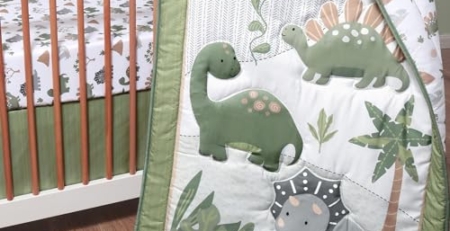
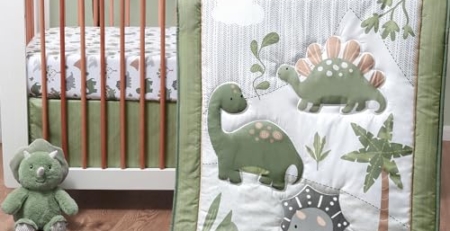
A crib bedding set typically includes a fitted crib sheet and a decorative comforter or quilt. Some sets also include extras like a crib skirt or pillow-like accessories (which should be used only for decoration, not inside the crib during sleep).
Common Components Explained
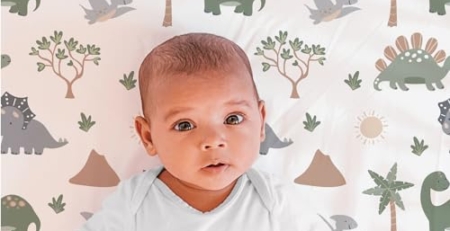
- Fitted Sheet: The only item recommended for safe sleep. It should fit snugly around the mattress.
- Comforter/Quilt: Decorative and useful for tummy time or nursery styling, but not for sleep.
- Crib Skirt: Adds style and hides storage under the crib.
- Decorative Accessories: Use only outside the crib for safety.
How to Choose the Perfect Crib Bedding Set
1. Start With Safety First
Parents often find that safety becomes the deciding factor when comparing bedding sets. The American Academy of Pediatrics recommends a bare crib for sleep — meaning only a fitted sheet on a firm mattress. Everything else should be removed during naps and nighttime sleep.
- Choose a sheet that fits tightly and won’t bunch up.
- Avoid padded bumpers, loose blankets, or pillows inside the crib.
- Check that fabrics are free from loose threads or embellishments.
2. Choose the Right Material
Material affects comfort, breathability, durability, and how easy the bedding is to wash. Here’s a simple breakdown:
Cotton
Cotton is the most popular choice for crib bedding because it’s soft, breathable, and easy to clean. It works well year‑round and holds up to frequent washing.
Muslin
Muslin is lightweight, airy, and great for warmer climates. It becomes softer with each wash and is ideal for parents who want a breathable fabric.
Bamboo
Bamboo-derived fabrics feel silky and cool. They’re naturally breathable and often chosen for babies with sensitive skin.
Polyester Blends
These fabrics are durable and budget-friendly, though they may not be as breathable as natural fibers.
3. Match the Bedding to Your Nursery Theme
In real nursery setups, bedding often becomes the anchor for the entire room’s design. Whether you’re planning a safari nursery, a minimalist space, or a floral theme, your crib bedding set can help tie everything together.
Theme Ideas
- Woodland or forest-inspired bedding
- Soft neutrals for a calming, modern look
- Boho textures and earthy tones
- Classic pastels for a timeless nursery
4. Consider the Fit and Dimensions
Most crib bedding sets are designed for standard crib mattresses (52” x 28”). Always double-check the product description to ensure a snug, safe fit.
Signs of a Proper Fit
- No loose fabric around the edges
- Elastic holds securely under the mattress
- Sheet stays flat even when your baby moves
5. Think About Practicality and Daily Use
Babies go through multiple sheets per week — sometimes per day. Choose bedding that’s easy to wash and quick to dry.
Helpful Tips
- Buy at least 3–4 fitted sheets.
- Choose machine-washable fabrics.
- Look for colorfast materials that won’t fade.
6. Compare Different Types of Crib Bedding Sets
2-Piece Sets
Usually include a fitted sheet and a decorative comforter. Simple, affordable, and great for minimalists.
3-Piece Sets
Often include a fitted sheet, comforter, and crib skirt. A popular choice for parents who want a coordinated look.
4-Piece Sets
May include extra decorative items. These are ideal for parents who enjoy styling the nursery but remember to keep extras out of the crib during sleep.
7. Seasonal Considerations
Your climate plays a role in choosing the right bedding materials.
Warm Weather
- Muslin or bamboo sheets
- Lightweight fabrics
Cool Weather
- Cotton flannel sheets
- Layered textures for nursery décor
8. Budget and Value
Crib bedding sets range widely in price. Higher cost doesn’t always mean better quality — but premium sets often use softer materials and more durable stitching.
What to Look For
- Quality elastic around the sheet
- Double-stitched seams
- Colorfast dyes
- Breathable materials
Common Mistakes Parents Make
- Choosing bedding based only on appearance
- Using decorative items inside the crib during sleep
- Buying sets that don’t fit standard crib mattresses
- Overlooking washing instructions
- Not buying enough fitted sheets
Safety Considerations
Safe sleep guidelines recommend a firm mattress, a snug fitted sheet, and nothing else in the crib. Comforters, quilts, and decorative pillows should be used only outside of sleep time.
Quick Safety Checklist
- Firm mattress with a tight fitted sheet
- No loose blankets or bumpers
- No stuffed animals during sleep
- Check for loose threads or embellishments
Key Takeaways
- Prioritize breathable, soft materials.
- Ensure a snug fit on a standard crib mattress.
- Use decorative pieces only outside of sleep time.
- Choose bedding that matches your nursery theme and lifestyle.
- Buy multiple fitted sheets for easy rotation.
Conclusion
Choosing the perfect crib bedding set is a blend of safety, comfort, and style. When you focus on breathable materials, proper fit, and practical design, you’ll create a nursery that feels warm, inviting, and ready for your baby’s arrival. And as your nursery evolves, your bedding choices can help shape the room’s personality — from soft neutrals to playful themes.
FAQ
Q: How many crib sheets do I need?
A: Most parents find that 3–4 fitted sheets are ideal. This allows for quick changes after nighttime leaks or spit‑ups and ensures you always have a clean sheet ready.
Q: Are crib bedding sets worth buying?
A: Yes, if you want a coordinated nursery look. Just remember that only the fitted sheet should be used for sleep. Comforters and decorative items are best for styling or supervised play.
Q: What material is best for crib bedding?
A: Cotton is the most popular because it’s breathable and durable. Muslin is great for warm climates, while bamboo offers a silky feel for sensitive skin.
Q: Do crib bedding sets fit toddler beds?
A: Many do, since toddler beds often use the same 52” x 28” mattress size. Always check the product description to confirm compatibility.
Q: How often should I wash crib sheets?
A: Wash them at least once a week, and more often if your baby has allergies or frequent spills. Babies spend many hours in their crib, so clean bedding is essential.
Q: Can I use a quilt or blanket in the crib?
A: Quilts and blankets should not be used during sleep. They’re great for tummy time, nursery décor, or keeping your baby warm while supervised.
Q: What size bedding fits a standard crib?
A: Standard crib sheets are designed for mattresses measuring 52” x 28”. A snug fit is essential for safety.