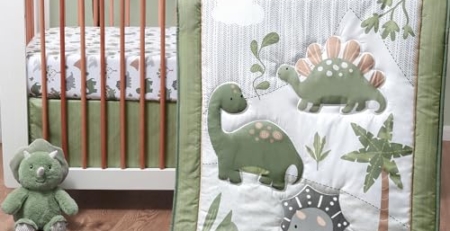
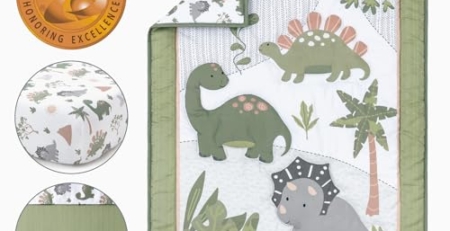
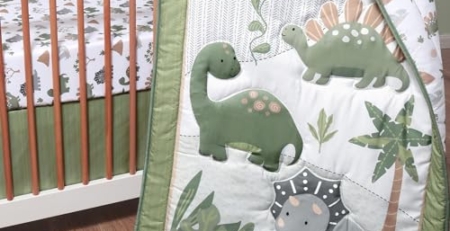
How to Set Up a Cozy, Sleep-Friendly Nursery
Designing your baby’s nursery is one of those big, exciting milestones. But once you get past the paint colors and cute wall art, most parents want the same thing: a room that actually helps their baby (and them) sleep. A cozy, sleep-friendly nursery isn’t about stuffing the crib with soft things—it’s about creating a calm, safe, and practical space that works at 2 a.m. as well as it looks at 2 p.m.
This guide walks you through how to set up a nursery that feels warm and welcoming while still following safe sleep guidelines. We’ll look at layout, lighting, temperature, sound, bedding, and storage, plus real-life examples and common mistakes parents wish they’d avoided.
Quick summary: Key points at a glance
- Start with safety: A firm, flat, clear sleep surface is non-negotiable.
- Cozy comes from the room, not the crib: Use textiles, lighting, and color around the crib, not in it.
- Control light, sound, and temperature: These three factors have a huge impact on baby sleep.
- Plan the layout for night-time use: Think about where you’ll stand, sit, change, and feed in the dark.
- Keep routines in mind: A sleep-friendly nursery supports consistent, calming bedtime habits.
Who this guide is for
This guide is designed for:
- Expecting parents setting up a nursery from scratch and feeling overwhelmed by choices.
- Parents of newborns who want to tweak their current setup to improve sleep.
- Nursery shoppers comparing cribs, mattresses, bedding, and décor with sleep in mind.
- Families in small spaces trying to create a sleep-friendly corner in a shared room.
Whether you’re working with a dedicated nursery or a section of your bedroom, the principles are the same: safe, simple, and soothing.
Start with the sleep space, not the décor
It’s tempting to begin with a theme or color palette, but in real nursery setups, the most successful rooms are planned around the sleep area first. The crib or bassinet is the anchor of the room, and everything else should support safe, easy sleep.
What “sleep-friendly” really means
A sleep-friendly nursery is one where:
- The crib or bassinet is safe: Firm, flat mattress; fitted sheet; no loose items.
- The room is calm: Soft lighting, reduced visual clutter, and a soothing color palette.
- The environment is consistent: Similar light, sound, and temperature cues every night.
- Parents can move easily: You can reach what you need without turning on bright lights or tripping over things.
Parents often find that once they focus on function first, the décor decisions become easier—and more intentional.
Safe sleep basics to build around
Before you think about making the nursery cozy, it helps to understand the core safe sleep guidelines for infants:
- Firm, flat sleep surface designed for babies (crib, bassinet, portable crib, or play yard).
- Clear crib: No pillows, loose blankets, bumpers, positioners, or stuffed animals.
- Fitted sheet only on the mattress, sized correctly for the crib or bassinet.
- Baby sleeps on their back for every sleep, unless advised otherwise by a healthcare professional.
- Separate sleep space from adults, even if room-sharing.
Cozy, in a sleep-friendly nursery, comes from the room around the crib—not from adding soft items into the crib itself.
Planning the nursery layout for better sleep
The way you arrange the room can make nights much easier. Think about how you’ll move through the space when you’re tired, holding a baby, and trying not to wake anyone up.
Where to place the crib
In most nurseries, the crib works best when it’s:
- Away from windows: Reduces drafts, bright light, and noise from outside.
- Away from cords and outlets: Keep monitor cords, blind cords, and cables well out of reach.
- Not directly under shelves or heavy décor: Avoid anything that could fall into the crib.
- In a quieter corner: Away from doors, radiators, or high-traffic areas of the home.
In real nursery setups, parents often find that a corner opposite the door works well: you can peek in without shining light directly on the baby, and the crib is shielded from hallway noise.
Creating a night-time flow
Imagine a typical night:
- You walk in with dim light.
- You pick up your baby from the crib.
- You sit to feed or soothe.
- You change a diaper if needed.
- You put your baby back down and leave quietly.
Now arrange the room to support that flow:
- Chair near the crib: A comfortable chair or glider within a few steps of the crib makes night feeds easier.
- Changing area close by: A changing table or dresser with a changing pad should be reachable without crossing the whole room.
- Soft light within arm’s reach: A small lamp or night light near the chair or changing area is more useful than a bright ceiling light.
- Storage where you stand: Keep diapers, wipes, burp cloths, and sleepwear in the spots you’ll actually use them.
Parents often find that a simple, uncluttered layout feels more “cozy” in practice than a room packed with furniture.
Lighting: Using light and dark to support sleep
Light is one of the most powerful tools you have for shaping your baby’s sleep patterns. A cozy, sleep-friendly nursery uses light intentionally, not just decoratively.
Daytime vs. night-time lighting
For naps and night sleep, most babies do best in a darker room. That doesn’t mean pitch black for every baby, but it does mean reducing bright, stimulating light.
- Blackout curtains or blinds: Helpful for blocking early morning sun and streetlights.
- Soft, warm lamps: A small lamp with a warm bulb is gentler than overhead lighting.
- Night lights: Many babies don’t need a night light at first; if you use one, choose a dim, warm-toned option.
During awake time, open the curtains and let in natural light. This contrast between bright awake periods and darker sleep periods helps your baby’s internal clock develop over time.
Practical lighting tips
- Use one main “sleep” setting: Decide what the room should look like at bedtime (for example, blackout curtains closed, one dim lamp on) and repeat it consistently.
- Avoid blue-toned lights: Cooler, blue-white bulbs can feel more like daytime and may be more stimulating.
- Keep switches accessible: Place lamps where you can turn them on and off while holding your baby.
In real nursery setups, parents often end up using just one or two light sources regularly. It’s worth planning those carefully rather than relying on the ceiling light.
Sound: Creating a calm audio environment
Noise can either disrupt sleep or help protect it. A sleep-friendly nursery uses sound to create a consistent, soothing backdrop.
Managing household and outside noise
- Crib placement: Keeping the crib away from doors and windows helps reduce sudden noises.
- Soft furnishings: Rugs, curtains, and fabric décor can help absorb sound and reduce echoes.
- White noise: Many parents use a white noise machine to mask household sounds and create a steady audio environment.
Parents often find that white noise is especially helpful in small homes or apartments where sound travels easily.
Choosing and using white noise
- Simple sounds: Steady sounds like rain, fan noise, or gentle static tend to work well.
- Volume: Keep it at a comfortable level—loud enough to mask sudden noises, but not overwhelming.
- Placement: Place the machine away from the crib, not right next to your baby’s head.
White noise isn’t mandatory, but it can be a useful tool, especially if you have older children, pets, or a noisy street outside.
Temperature and bedding: Cozy without overheating
Temperature is a big part of comfort. A room that’s too hot or too cold can make it harder for your baby to settle and stay asleep.
Finding a comfortable room temperature
Most babies sleep well in a room that feels comfortably cool to an adult—neither hot nor chilly. A common guideline is a temperature that would feel comfortable to you in light clothing.
- Use a room thermometer: This can help you get a sense of how the room changes between day and night.
- Watch for signs of overheating: Sweaty neck, damp hair, flushed skin, or rapid breathing can be signs your baby is too warm.
- Layer wisely: It’s usually safer to adjust clothing and sleepwear than to pile on blankets.
Safe, cozy sleepwear
Instead of loose blankets, many parents use:
- Swaddles (for younger babies, if recommended and used safely).
- Sleep sacks or wearable blankets for older babies.
- Season-appropriate pajamas made from breathable fabrics like cotton.
On SlumberStyle, you’ll find detailed guides on choosing crib bedding and sleep sacks for different seasons, which can help you match fabrics and weights to your climate and home.
Crib mattress and sheets
For a sleep-friendly crib setup:
- Choose a firm crib mattress designed for infant sleep.
- Use a fitted crib sheet that fits snugly with no loose fabric.
- Avoid extra padding: No mattress toppers, pillows, or thick pads unless specifically designed and approved for infant use.
Parents often worry that a firm mattress doesn’t feel “cozy” enough, but for babies, firm and flat is both safer and more supportive.
Making the nursery feel cozy (without compromising safety)
Once the sleep basics are in place, you can layer in warmth and personality. The key is to keep the crib simple and bring the cozy feeling into the rest of the room.
Using color and décor thoughtfully
- Choose calming colors: Soft neutrals, gentle greens, blues, and warm whites tend to feel soothing.
- Limit visual clutter: A few meaningful pieces of wall art can feel calmer than a wall packed with decorations.
- Repeat textures: Using similar textures in the rug, curtains, and throw pillows (for the chair, not the crib) can make the room feel cohesive and cozy.
Parents often find that a simple, calm color palette ages better and works with changing décor as their child grows.
Textiles that add warmth
To make the room feel cozy without adding items to the crib, focus on:
- Rugs: A soft rug underfoot makes late-night pacing more comfortable.
- Curtains: Blackout curtains in a soft fabric can look warm and help with sleep.
- Chair accessories: A throw blanket and cushion for your nursing or feeding chair (kept away from the crib) can make the space feel inviting.
For more décor ideas, you can explore nursery theme and color inspiration articles on SlumberStyle that pair style ideas with practical sleep considerations.
Storage, organization, and real-life routines
A cozy, sleep-friendly nursery isn’t just about how it looks—it’s about how it works when you’re tired. Good storage and organization can make the room feel calmer and more functional.
Organizing for night-time needs
Consider creating small “stations” in the room:
- Changing station: Diapers, wipes, creams, spare pajamas, and a spare fitted sheet within arm’s reach.
- Feeding station: Burp cloths, water bottle for you, nursing or feeding pillow, and a small basket for essentials.
- Soothing station: Pacifiers (if you use them), swaddles or sleep sacks, and a soft cloth for quick cleanups.
Parents often find that having duplicates of key items (like pacifiers and burp cloths) in the nursery reduces stress during the night.
Keeping surfaces calm
Try to keep the top of the dresser, changing table, and side table relatively clear. A cluttered room can feel busy and overstimulating, especially when you’re trying to wind down for bedtime.
- Use baskets and bins: Group small items together so they’re easy to grab and put away.
- Label if helpful: Simple labels can help partners or caregivers find things quickly.
- Rotate toys out: Keep only a few toys in the nursery and store the rest elsewhere to reduce visual noise.
Comparing common nursery choices
When you’re shopping, it helps to understand the trade-offs between popular options. Here are a few common comparisons parents think about.
Crib vs. bassinet in the nursery
- Bassinet pros: Smaller footprint, easier to move, can feel cozier for a newborn.
- Bassinet cons: Shorter lifespan; babies often outgrow them within a few months.
- Crib pros: Long-term use, often more stable, works from infancy through toddler years (especially convertible models).
- Crib cons: Takes up more space; may feel large for a tiny newborn.
Many parents room-share with a bassinet at first and set up a long-term crib-based nursery in parallel. Others start with the crib in the nursery and use a portable crib in their bedroom. There’s no single right answer—choose what fits your space, budget, and routines.
Rocking chair vs. glider vs. simple armchair
- Rocking chair: Classic motion, but some models can creak or take up more space.
- Glider: Smooth, gentle movement; often designed specifically for nurseries.
- Armchair: Stable, often more versatile long-term, but no built-in motion.
Parents often find that the most important factor is comfort: good back support, enough room to hold and feed the baby, and a height that makes standing up with a sleeping baby easier.
Safety considerations throughout the nursery
Beyond the crib, there are several safety details that matter in a sleep-friendly nursery.
Furniture and décor safety
- Anchor heavy furniture: Dressers, bookcases, and changing units should be secured to the wall.
- Keep cords out of reach: Monitor cords, lamp cords, and blind cords should be well away from the crib and changing area.
- Avoid heavy items above the crib: Choose lightweight wall décor or leave the wall above the crib bare.
Air quality and ventilation
- Don’t block vents: Make sure furniture placement doesn’t trap heat or cold air around the crib.
- Be mindful with scents: Strong candles, diffusers, or air fresheners can be irritating for babies.
- Open windows safely: Use secure locks or guards and keep the crib away from open windows.
Parents often find it helpful to do a “baby’s-eye view” check—kneel down and look around the room from a low height to spot hazards you might otherwise miss.
Common mistakes when setting up a nursery
Even well-intentioned choices can work against sleep. Here are some common pitfalls and how to avoid them.
- Over-decorating the crib: Pillows, bumpers, and stuffed animals may look cozy but aren’t safe for sleep.
- Relying on bright overhead lighting: This can make bedtime feel more like playtime and wake everyone up during night feeds.
- Placing the crib under a window: This can expose your baby to drafts, bright light, and cords.
- Ignoring storage: A beautiful room with nowhere to put things quickly becomes cluttered and stressful.
- Choosing style over function: A stunning chair that’s uncomfortable or a dresser that’s too low can make everyday routines harder.
- Not planning for growth: Some parents buy only newborn-sized items and then have to replace everything within months.
On SlumberStyle, you’ll find more detailed guides on crib bedding, mattress choices, and nursery décor that balance style with safety and practicality, which can help you avoid these common missteps.
Practical shopping tips for a sleep-friendly nursery
When you’re browsing nursery products, it’s easy to get swept up in trends. Here’s a simple checklist to keep sleep and safety at the center of your decisions.
Nursery shopping checklist
- Crib or bassinet: Meets current safety standards, with a firm, flat mattress.
- Mattress: Designed for infant sleep, fits snugly in the crib with no gaps.
- Fitted sheets: At least 2–3, sized correctly for your crib or bassinet.
- Sleepwear: Season-appropriate pajamas, swaddles, or sleep sacks.
- Lighting: Blackout curtains and at least one dim, warm light source.
- Chair: Comfortable, supportive seating for feeding and soothing.
- Changing area: Stable surface, changing pad, and organized storage for essentials.
- Storage: Baskets, bins, or drawers for clothes, diapers, and linens.
- White noise (optional): A simple, reliable machine if you choose to use one.
For deeper dives into specific items—like how to choose crib bedding sets or what to look for in a mattress—related SlumberStyle articles can guide you through features, pros and cons, and real-world usage tips.
Key takeaways
- Safety first: A firm, flat, clear sleep surface is the foundation of a sleep-friendly nursery.
- Cozy around the crib, not in it: Use rugs, curtains, lighting, and textiles in the room to create warmth.
- Control the environment: Light, sound, and temperature have a big impact on how easily your baby settles.
- Plan for real life: Layout and storage should support night feeds, diaper changes, and soothing routines.
- Keep it simple: A calm, uncluttered room is often more restful than a highly decorated one.
Conclusion: Building a nursery that works for your family
A cozy, sleep-friendly nursery doesn’t have to be perfect or magazine-ready. It just needs to be safe, calm, and practical for your real life. Start with the essentials—crib, mattress, lighting, and layout—then layer in warmth and personality in ways that don’t compromise safe sleep.
As your baby grows, you’ll adjust the room: swapping swaddles for sleep sacks, adding books and toys, and eventually transitioning to a toddler bed. The foundation you build now—a room that supports rest, routines, and connection—will grow with your family. And if you want more help choosing specific bedding, décor, or nursery themes, SlumberStyle’s in-depth guides on crib bedding, nursery décor, and baby sleep essentials are there to walk you through each decision.
FAQ: Cozy, sleep-friendly nursery questions
Q: How can I make the nursery feel cozy if I can’t use blankets and pillows in the crib?
A: Focus on the room, not the crib. Use soft rugs, curtains, and a cozy chair to create warmth. Choose a calming color palette and gentle lighting. Keep the crib itself simple with a fitted sheet and safe sleepwear like a sleep sack to keep your baby comfortable without loose bedding.
Q: Do I really need blackout curtains for a sleep-friendly nursery?
A: You don’t have to use blackout curtains, but many parents find them very helpful. They can block early morning light and streetlights, making it easier for babies to fall and stay asleep. If you prefer some natural light, you can choose room-darkening shades or layer sheer curtains with heavier drapes.
Q: What is the best temperature for a baby’s nursery?
A: The ideal temperature is one that feels comfortably cool to an adult in light clothing. Instead of aiming for a specific number, focus on consistency and watch your baby for signs of being too hot or too cold. Use breathable sleepwear and avoid heavy blankets to reduce the risk of overheating.
Q: Is white noise necessary in a sleep-friendly nursery?
A: White noise isn’t required, but it can be very useful, especially in noisy homes or apartments. A steady sound can help mask sudden noises and create a familiar sleep cue. If you use white noise, keep the volume moderate and place the machine away from the crib.
Q: Can I hang decorations above the crib?
A: It’s safer to avoid heavy frames, shelves, or décor directly above the crib. If you want something on that wall, choose lightweight, securely attached items or keep it bare. You can bring personality into the room with art on other walls, a feature wall, or décor near the changing area or chair instead.
Q: Should I start with a bassinet or go straight to a crib?
A: Both options can work well. A bassinet can feel cozier and take up less space, but babies outgrow them quickly. A crib is a longer-term solution and can be used from birth if it fits your room and routines. Some parents use a bassinet in their bedroom and set up a crib-based nursery at the same time so the transition is easier later.
Q: How many crib sheets and sleep sacks do I really need?
A: A practical starting point is at least 2–3 fitted crib sheets and 2–3 sleep sacks or swaddles in the right size. This gives you backups for middle-of-the-night changes without constant laundry. If your baby has frequent spit-ups or diaper leaks, you may appreciate having a few extra on hand.
Q: What should I prioritize if I’m on a tight budget?
A: Focus on the essentials that affect safety and sleep: a safe crib or bassinet, a firm mattress, fitted sheets, and comfortable sleepwear. Then add one comfortable chair and basic lighting. Décor, extra storage, and themed items can be added gradually over time. SlumberStyle’s product and bedding guides can help you compare options and choose what gives you the most value for your budget.