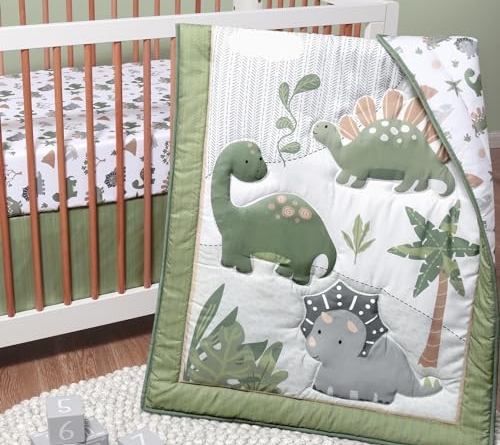
The Cozy Truth About Infant Crib Bedding Sets: What I Wish I Knew Sooner
Introduction
Way back when I was pregnant with my first child, I clearly remember spending hours, ok maybe days scrolling through lots of nursery ideas photos. In the end I had saved something like twenty different kinds of crib setups, all of them wonderfully color-coordinated, along with those plush pillows & matching blankets. At that time I did not even a little but realize that several of those things were not recommended for a newborn. I was after a look not something practical. So the very idea of a perfect crib bedding set was what I was after. So when I came to buy I had too many choices and was not really sure what was important with infant crib bedding sets.
Now that I’ve been through it (twice, actually), I’ve learned what makes a crib bedding set truly useful—and what just looks good in pictures. If you’re in the thick of nesting or browsing with a baby registry in one hand and your phone in the other, I hope this helps take some of the stress out of the decision.
Why Infant Crib Bedding Sets Matter More Than You Think
At first glance, crib bedding sets might seem like a decorative extra. I used to think so too. But the truth is, they serve a deeper purpose than just matching your nursery theme. A good set keeps things simple, safe, and—this one’s important—easier to clean. If you’ve ever tried to strip a fitted sheet off a crib mattress at 2 AM after a diaper blowout, you know what I mean.
There’s also the emotional layer. Picking out bedding feels like one of the first tangible steps toward meeting your baby. It becomes part of your nighttime routine, part of the environment where your little one will spend a lot of time—especially in those first few months. And if you’re anything like me, you’ll want something that feels soft and comforting without driving you nuts in the laundry room.
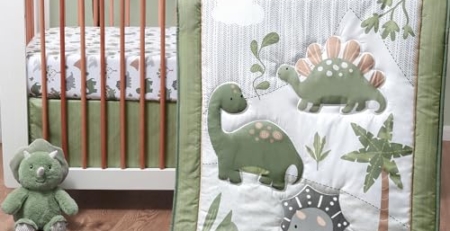
More and more parents I’ve talked to are leaning toward minimalist sets that focus on safety and ease of use. Gone are the days of bumpers, heavy quilts, and frilly canopies. Instead, people are choosing breathable fabrics, tight-fitting sheets, and sets that come with just the essentials: a fitted sheet, a lightweight blanket for later months, and maybe a dust ruffle if you’re into that sort of thing.
What My Experience Taught Me About Crib Bedding Sets
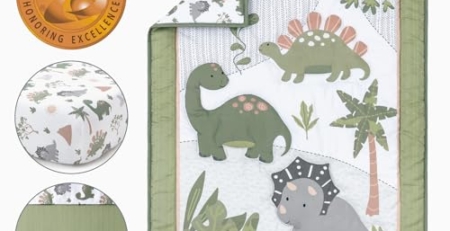
With my first child, I went all-in on a four-piece bedding set that included a comforter I never used, a bumper I ended up storing away after a quick Google search, and a sheet that looked adorable but felt oddly scratchy. I remember thinking, “This isn’t what I pictured.” I was disappointed—and kind of annoyed that I had spent so much money on something that wasn’t really functional.
By the time my second baby came along, I was smarter. I found a crib set that only included a super soft, organic cotton fitted sheet and a matching mattress cover. That’s it. And you know what? That’s all I needed. It washed well, held up through the usual baby messes, and still looked cute enough for nursery photos. Honestly, I didn’t expect to like the simplicity so much, but it was a game-changer.
One of my close friends told me she used muslin crib sheets because her baby ran hot. I had never even considered that, but now I recommend them to other parents who live in warmer climates. Every baby is different, and that’s something I didn’t really understand until I started living through those long, unpredictable newborn nights.
Tips and Real-World Advice for Choosing the Right Set
If I could go back and whisper something to myself during that first pregnancy shopping spree, it would be this: Don’t fall for the fancy sets. Choose function over fluff. The best crib bedding set is the one that makes your life easier without compromising your baby’s comfort or safety.
Look for fitted sheets that actually stay on the mattress. Some look great in the package but stretch out weirdly after the first wash. I’ve found that elastic all the way around the sheet (not just at the corners) makes a big difference. It keeps the sheet snug and safe, even if your baby moves around a lot in their sleep.
Fabric really matters too. I didn’t think much about thread count or material at first, but after dealing with a couple of scratchy sheets and one that made my daughter sweat like she’d run a marathon, I started paying closer attention. Organic cotton, bamboo, and muslin have been our favorites. They’re soft, breathable, and easy to clean, which checks every box in my book.
Something else to keep in mind: buy at least two or three fitted sheets. Trust me, one will be in the wash, one will be in the hamper, and you’ll be grateful the third exists. And if you’re tempted to get matching accessories, make sure they’re safe. Decorative pillows, heavy blankets, and even certain crib skirts can pose risks for infants. I learned to appreciate minimalist setups—not just because they’re safer, but because they’re so much easier to maintain.
And don’t underestimate how fast your baby will outgrow things. That adorable comforter that came with our first set? It became a playmat on the living room floor and eventually got tucked away in storage. Crib sets that grow with your child—ones that include items useful beyond the first year—are worth considering. Some brands even sell convertible bedding that transitions from crib to toddler bed, which I thought was clever.
Final Thoughts
Choosing a crib bedding set isn’t just about what looks good in photos—though I totally get wanting those sweet Instagram-worthy nursery shots. It’s about creating a space that feels safe, cozy, and manageable. After two kids and more laundry cycles than I care to count, I’ve realized that simplicity really is the unsung hero of baby gear. The best crib bedding is the kind that lets you focus on what really matters: snuggling, bonding, and—on the rare occasion—sleeping.
If you’re feeling a little lost in all the options, take a deep breath. Start with one or two high-quality fitted sheets in a fabric you like. Skip the extras unless you’re sure they’ll be used. And remember, this is just one part of your parenting journey. You’ve got this.
Common Questions That Come Up (and What I’ve Learned)
Do I really need a whole crib bedding set?
Honestly? No. A fitted sheet and a waterproof mattress cover are usually all you need in those early months. If the set comes with a comforter or bumpers, you might find yourself storing those items for later—or not using them at all.
How many crib sheets should I have?
I recommend at least three. One to use, one as backup, and one for the inevitable surprise mess. Some nights, I went through two in a single evening, and I was so grateful to have an extra clean one on hand without having to do laundry at midnight.
What’s the safest material for crib sheets?
Breathable, natural fabrics like organic cotton, bamboo, or muslin are generally the best bets. They’re gentle on your baby’s skin and help regulate temperature better than synthetic blends. If your baby has sensitive skin or eczema, it’s worth looking into hypoallergenic materials too.
Can I use a blanket with a newborn?
Not during sleep. The safest setup for a newborn is a bare crib with just a fitted sheet. If you want to keep your baby warm, a wearable blanket or sleep sack is a much safer option. We used those every night and found them super convenient.
Are crib bumpers safe?
Short answer: no. Even the breathable mesh ones have raised safety concerns. Most pediatricians and safety organizations recommend avoiding bumpers altogether. I ditched mine early on and never looked back.
Whether you’re building your registry or prepping your nursery in those final nesting weeks, I hope this helped make sense of the crib bedding puzzle. It’s just one piece of a much bigger, beautiful, messy picture of parenthood. And if you’re anything like me, you’ll learn the most by just diving in and figuring it out one cozy, sleepy night at a time.